Recent Post

How to Improve Round-by-Round in Baccarat Tournaments ...
Baccarat tournaments offer an exciting twist on the traditional card game by requiring players to outlast each other across multiple stages rather than just beating the casino house. Succeeding in this competitive environment requires more than understanding basic card values; it demands a dynamic approach that evolves with every single round of play. By refining your tactics as the tournament progresses, you can put yourself in a prime position to advance toward the final table.
Analyzing the Early Rounds and Establishing a Baseline
The initial phase of any tournament is focused on gathering information and preserving your starting bankroll. During these opening hands, it is wise to observe your opponents' betting tendencies and establish a stable rhythm. Avoid making reckless high-variance wagers early on, as capital preservation ensures you stay viable for the critical shifts ahead.
Understanding table positioning is equally critical during these first few rounds of play. Acting later in the betting order grants a significant informational advantage over players who must wager first. You can use this extra data to gauge the overall risk tolerance of the table and adjust your stack strategy accordingly.
Adapting Strategy During the Dynamic Mid-Game Shifts
As the tournament enters its midway point, the relative size of your chip stack dictates your next strategic moves. If you hold a comfortable lead, employing conservative bet sizing can protect your standing while forcing others to take larger risks. Conversely, short-stacked competitors must look for calculated opportunities to maximize their returns.
Tracking the exact leaderboards at your table determines whether you should mirror or contradict the leading player's wagers. Utilizing reliable resources and visiting a trusted login situs m88 can provide insights into structured tournament systems and realistic setups. Staying highly adaptable during these turbulent middle rounds separates seasoned tournament veterans from standard casino players.
Mastering Late-Stage Elimination Tactics
The final rounds of a tournament introduce intense pressure as the elimination threshold grows tighter with every hand. At this point, tracking the total remaining deals is essential for planning your maximum betting opportunities. One well-timed large wager can catapult you into the qualifying zone, while poor timing might lead to immediate elimination.
Contrarian betting becomes a vital asset when trying to surpass a dominant table leader near the end of a round. If the top stack bets heavily on the Banker, placing a calculated wager on the Player side can quickly close the gap. This approach requires precise mathematical tracking of the chip differentials between you and your closest rivals.
Maintaining Mental Discipline for the Final Table
Reaching the final stage introduces psychological challenges that can easily cloud tactical decision-making. Successful players maintain strict emotional control, focusing entirely on probabilities rather than recent short-term outcomes. Consistency under intense competitive pressure is the ultimate trait of tournament champions.
Reviewing your performance after each tournament helps build the refined muscle memory needed for future events. Every round played serves as a valuable learning experience that shapes your overarching strategy. Dedicating time to mastering these situational shifts will naturally elevate your tournament performance over time.

How Random Rewards Influence Replay Value ...
Modern game development relies heavily on longevity to ensure that players remain invested in a virtual world long after the initial launch. One of the most effective strategies to achieve this longevity is the integration of random reward systems, which continuously alter how players interact with challenges. By making outcomes unpredictable, developers can successfully transform standard gameplay loops into highly dynamic experiences that encourage repeated playthroughs.
The Psychology of Unpredictable Incentives
Human psychology is naturally drawn to uncertainty because unexpected positive outcomes stimulate the brain in unique ways. When a player receives a rare item by chance rather than through a predictable chore, the sense of accomplishment is significantly heightened. This psychological thrill shifts the focus from simply completing a game to experiencing the ongoing excitement of potential discovery.
Because players cannot anticipate exactly when the next major breakthrough will occur, they are much more likely to extend their gaming sessions. Predictable progression systems often lead to early player burnout once the final milestone is reached. In contrast, chance-based drops maintain a steady level of curiosity that naturally increases the overall replay value of a title.
Enhancing the Longevity of Virtual Economies
In multiplayer and live-service games, random rewards serve as the foundation for thriving in-game economies and community interactions. When high-tier gear or rare cosmetic items are distributed via chance, they gain a distinct social status within the player base. This driving force encourages individuals to revisit difficult raids or competitive matches multiple times to secure coveted digital assets.
Furthermore, a well-balanced distribution system ensures that newer players always have a reason to participate alongside veterans. Experienced individuals often find entertainment in testing their fortune within different gaming environments, similar to how enthusiasts utilize a login situs m88 platform to explore various risk-reward mechanics. Ultimately, these economic dynamics create a sustainable community cycle that keeps multiplayer servers populated for years.
Balancing Randomness for Fair Progression
While the allure of surprise is powerful, game designers must carefully balance luck with skill to prevent player frustration. If the probability of obtaining a necessary upgrade is excessively low, the gameplay experience can begin to feel unrewarding and tedious. Successful titles implement bad luck protection or alternative progression paths to guarantee that effort is eventually rewarded alongside chance.
When implemented correctly, variable rewards complement player agency rather than overshadowing it entirely. Offering players multiple avenues to pursue random drops keeps the gameplay fresh and gives them control over their time investment. This equilibrium ensures that the motivation to replay a game stems from genuine enjoyment rather than pure obligation.
The Future of Dynamic Gameplay Loops
As gaming technology continues to advance, the methods used to deliver random incentives are becoming increasingly sophisticated. Modern algorithmic designs can adapt reward structures based on individual player habits and historical performance metrics. This personalization ensures that the content remains engaging for both casual participants and highly dedicated veterans alike.
Striking the perfect balance between predictable milestones and exciting surprises will remain a core focus for developers moving forward. When chance is utilized ethically and creatively, it elevates the artistic and entertainment value of interactive media. As a result, players can look forward to more immersive virtual journeys that offer endless replayability.

RNG Systems and Random Event Generation ...
The architecture of modern interactive platforms depends heavily on the integration of robust computational systems that manage unpredictable outcomes. At the center of this functional capability lies the software framework responsible for simulating spontaneous occurrences across various environments. By establishing mathematical neutrality, these background algorithms guarantee that virtual conditions remain dynamically balanced and reliable for users.
The Core Operations of Random Processing
To produce non-repeating results, software programs utilize complex mathematical expressions that translate numerical variables into independent occurrences. These systems typically employ sophisticated initialization parameters to launch structured equations that simulate true unpredictability. This continuous operational mechanism ensures that every calculated action remains independent from previous processing cycles.
Technical frameworks rely heavily on computational models designed to eliminate statistical repetition over long intervals. The systematic distribution of these computational results forms the foundation for digital fairness across modern entertainment platforms. Consequently, maintaining absolute mathematical equity remains a fundamental priority for software engineering teams worldwide.
Ensuring Reliability and Regulatory Alignment
Verifying the operational standards of these mathematical configurations requires extensive independent analysis by certified international verification authorities. Industry professionals perform rigorous testing routines to ensure that the mathematical output remains completely unbiased over extensive lifecycles. These objective reviews help confirm that the operational environment conforms to standard transparency expectations.
For many digital participants, identifying certified environments is crucial to ensuring a secure operational background. Users who prefer verified mathematical frameworks often visit specific portals such as a login situs m88 to access systems that prioritize strict digital alignment. Fulfilling these compliance guidelines remains essential for building user security and platform credibility.
Architectural Challenges in System Engineering
Developing highly responsive event engines presents substantial challenges for software engineering departments dealing with multi-platform environments. Engineers must continuously balance high-velocity processing demands against intensive data encryption protocols to prevent unauthorized structural modifications. This technical equilibrium is vital for keeping digital landscapes completely safe from external interference.
As digital architectures expand globally, the necessity for high-capacity calculation engines becomes increasingly important for infrastructure sustainability. Advanced software teams focus on deploying lightweight configurations capable of delivering low-latency calculations across mobile networks. Ultimately, these ongoing structural improvements will dictate the future quality of interactive technology applications.

Why Sic Bo Is Easy to Learn and Enjoy ...
Sic Bo is an ancient Chinese dice game that has successfully transitioned into the modern digital casino era. For newcomers, the complex table layout filled with numerous betting options can initially appear overwhelming. However, by breaking down the core mechanics, any beginner can comfortably navigate their first session with confidence.
Understanding the Core Equipment
The game relies entirely on three standard six-sided dice to determine the outcome of each round. These dice are placed inside a electronic shaker or a covered glass dome by the dealer. Once all players have finished placing their wagers, the container is shaken to reveal the winning numbers.
Unlike card games that involve complex strategies, this game is purely built on random numbers and independent outcomes. Every roll is entirely separate from the previous one, meaning past results do not dictate future combinations. Understanding this mechanical simplicity helps players focus on proper bankroll management rather than searching for non-existent table trends.
Navigating the Basic Wagers
The easiest entry point for any newcomer is focusing on the even-money choices located at the outer edges of the table. The Small bet wins when the total sum of the three dice falls between four and ten. Conversely, the Big bet covers any total value ranging from eleven to seventeen.
It is important to remember that both of these options exclude instances where triples occur, which means three dice landing on identical values. For beginners exploring digital platforms, finding a trusted environment via a login situs m88 can offer an excellent perspective on how these standard options operate in real time. These specific wagers carry the lowest house advantage, making them perfect for preserving your gaming funds while gaining experience.
Exploring Advanced Layout Options
Moving inward on the betting board reveals more specific predictions that offer significantly higher payout returns. Players can place wagers on specific total combinations ranging from four all the way up to seventeen. Each individual total features unique odds based on the mathematical probability of that exact sum appearing.
The most volatile option available on the table is the specific triple bet, where you predict all three dice will display one exact number. While the potential rewards for hitting a triple are massive, the probability remains low and the house edge is high. Balancing your strategy by blending steady low-risk wagers with cautious single-number predictions creates a more sustainable experience.
Smart Practices for New Players
Establishing a strict bankroll limit before you begin playing is the single most valuable habit for long-term enjoyment. Dividing your total entertainment budget into smaller units per round prevents emotional decisions during unexpected losing streaks. Setting a clear time limit also ensures you stay sharp and make rational choices throughout your session.
Utilizing free demo versions online allows beginners to familiarize themselves with the fast-paced nature of the table without financial pressure. Taking a few moments to look over the payout tables printed directly on the felt surface builds natural familiarity over time. Ultimately, a successful roadmap involves patience, realistic expectations, and embracing the simple thrill of the dice rolling.

Why Sic Bo Is Easy to Learn and Enjoy ...
Sic Bo is an ancient Chinese dice game that has successfully transitioned into the modern digital casino era. For newcomers, the complex table layout filled with numerous betting options can initially appear overwhelming. However, by breaking down the core mechanics, any beginner can comfortably navigate their first session with confidence.
Understanding the Core Equipment
The game relies entirely on three standard six-sided dice to determine the outcome of each round. These dice are placed inside a electronic shaker or a covered glass dome by the dealer. Once all players have finished placing their wagers, the container is shaken to reveal the winning numbers.
Unlike card games that involve complex strategies, this game is purely built on random numbers and independent outcomes. Every roll is entirely separate from the previous one, meaning past results do not dictate future combinations. Understanding this mechanical simplicity helps players focus on proper bankroll management rather than searching for non-existent table trends.
Navigating the Basic Wagers
The easiest entry point for any newcomer is focusing on the even-money choices located at the outer edges of the table. The Small bet wins when the total sum of the three dice falls between four and ten. Conversely, the Big bet covers any total value ranging from eleven to seventeen.
It is important to remember that both of these options exclude instances where triples occur, which means three dice landing on identical values. For beginners exploring digital platforms, finding a trusted environment via a login situs m88 can offer an excellent perspective on how these standard options operate in real time. These specific wagers carry the lowest house advantage, making them perfect for preserving your gaming funds while gaining experience.
Exploring Advanced Layout Options
Moving inward on the betting board reveals more specific predictions that offer significantly higher payout returns. Players can place wagers on specific total combinations ranging from four all the way up to seventeen. Each individual total features unique odds based on the mathematical probability of that exact sum appearing.
The most volatile option available on the table is the specific triple bet, where you predict all three dice will display one exact number. While the potential rewards for hitting a triple are massive, the probability remains low and the house edge is high. Balancing your strategy by blending steady low-risk wagers with cautious single-number predictions creates a more sustainable experience.
Smart Practices for New Players
Establishing a strict bankroll limit before you begin playing is the single most valuable habit for long-term enjoyment. Dividing your total entertainment budget into smaller units per round prevents emotional decisions during unexpected losing streaks. Setting a clear time limit also ensures you stay sharp and make rational choices throughout your session.
Utilizing free demo versions online allows beginners to familiarize themselves with the fast-paced nature of the table without financial pressure. Taking a few moments to look over the payout tables printed directly on the felt surface builds natural familiarity over time. Ultimately, a successful roadmap involves patience, realistic expectations, and embracing the simple thrill of the dice rolling.

Bridge Games That Encourage Strategic Creativity ...
The traditional trick-taking game of bridge is often celebrated for its strict mathematical frameworks and rigorous logical deductions. However, modern variations and advanced competitive environments demonstrate that true mastery requires a high degree of artistic imagination. Players who break free from rigid conventions frequently discover innovative paths to victory that surprise their opponents.
The Intersection of Logic and Imagination
While basic systems provide a solid foundation, exceptional card play often relies on breaking the rules when unexpected distributions arise. Devising an unusual line of play requires a deep understanding of probability mixed with tactical flexibility. This unique blend transforms standard card encounters into dynamic exercises in problem-solving.
Engaging in these complex mental setups helps enthusiasts develop flexible thinking patterns that extend far beyond the card table. Many dedicated players regularly utilize the login situs m88 platform to test their tactical instincts against diverse opponents from around the globe. Experiencing varied playstyles encourages immediate adaptation and rewards those who can think outside conventional parameters.
Innovative Bidding Strategies
The auction phase is not merely a tool for exchanging technical data, but also a platform for psychological maneuvering. Creative partnerships often employ deceptive bids or unusual structural shifts to disrupt the defensive planning of their adversaries. This active interference forces the opposing side to solve complex layout riddles under intense pressure.
Successfully navigating these competitive auctions demands a keen sense of timing and deep trust between partners. When standard systems fail to cover a unique hand distribution, players must improvise reliable solutions on the spot. This constant need for creative communication turns every bidding sequence into a collaborative puzzle.
Finesse and Deceptive Card Play
Once the cards hit the table, executing a successful contract often hinges on the art of illusion. Declarers frequently place specific cards to mislead defenders about the true location of high-value honors. This psychological layer adds a rich dimension to the sport, elevating it from simple calculation to complex strategy.
Defenders must also cultivate creative thinking to defeat well-executed contracts before the declarer establishes a long suit. Making an unexpected opening lead or discarding a high card early can completely shift the momentum of the round. These calculated risks showcase the true artistic potential inherent in advanced card tracking.
Enhancing Cognitive Flexibility
Regularly engaging with unique deal distributions prevents mental stagnation and sharpens overall decision-making speed. Analyzing complex card layouts from multiple perspectives trains the brain to evaluate risks more effectively in real time. Over time, this disciplined approach builds a reliable reservoir of strategic options for future tournaments.
Ultimately, the beauty of the game lies in its infinite variations and the creative freedom it grants to daring partnerships. Every dealt hand presents a fresh canvas where standard logic maps out the boundaries but imagination secures the win. Embracing this duality transforms casual card enthusiasts into true masters of the competitive arena.
Mobile Card Games with Flexible Playstyles ...
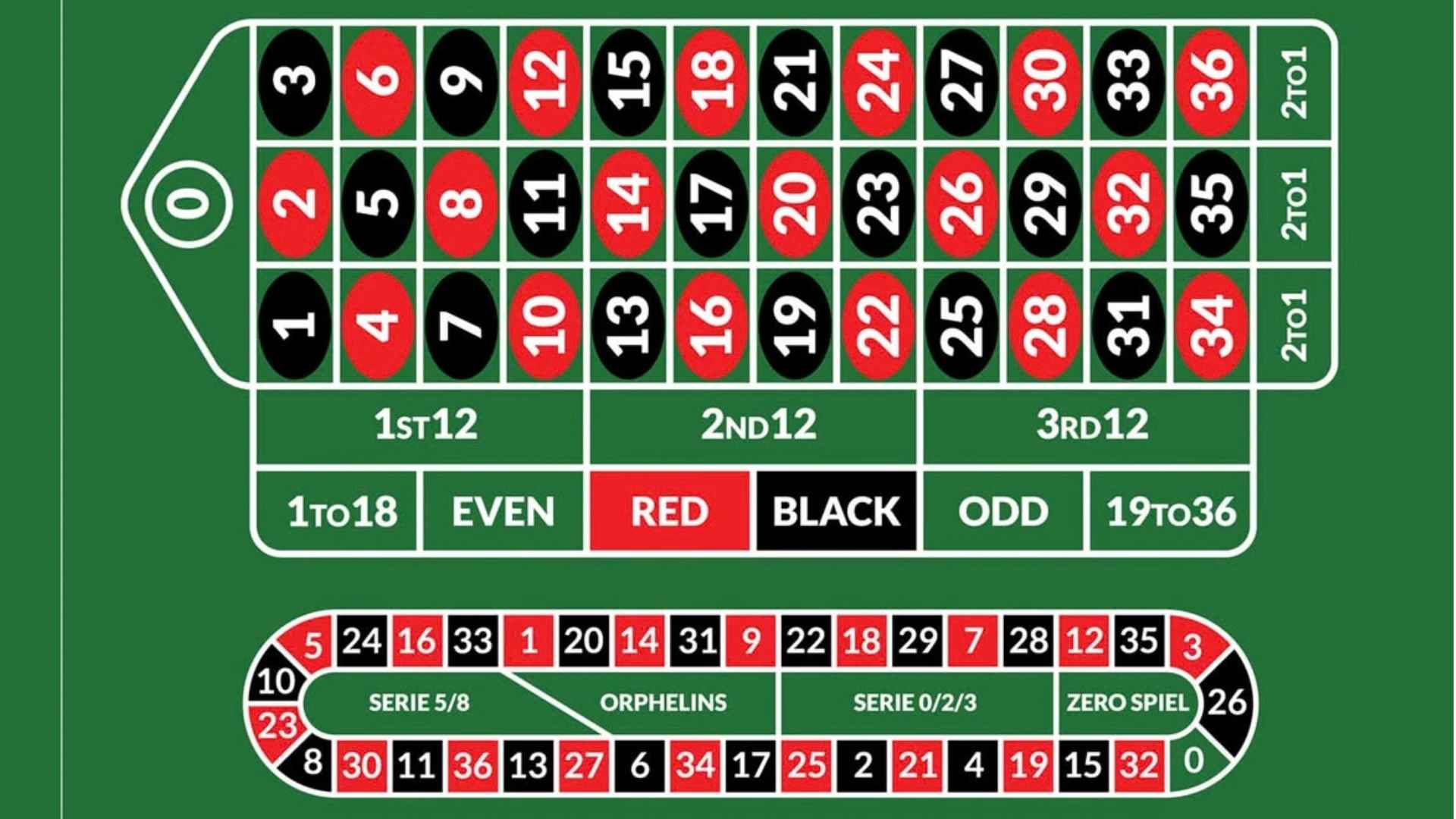
The mobile gaming landscape has seen a remarkable evolution in recent years, particularly within the digital card game genre. Modern players no longer want to be confined to rigid, single-focus strategies that dictate every move from the start of a match. Instead, developers are designing experiences that cater to dynamic decision-making, allowing users to pivot their tactics instantly based on unfolding situations.
The Appeal of Adaptive Mechanics in Modern Card Games
Adaptive gameplay mechanics allow players to modify their strategy mid-match rather than relying solely on pre-constructed deck structures. This fluidity ensures that no two matches feel identical, keeping the experience engaging over long periods. Gamers appreciate the agency to shift from defensive survival tactics to aggressive counter-offensives whenever the opportunity arises.
Furthermore, these systems accommodate various gaming schedules, making them perfect for quick commutes or extended home sessions. Experienced players can showcase their deep understanding of game theory by deploying versatile card combinations. Beginners also benefit from this design, as it allows room for experimental play styles without immediate harsh penalties.
Hybrid Deck Architectures and Customization
The foundation of a flexible playstyle lies in the ability to construct hybrid decks that blend multiple distinct archetypes. Instead of focusing entirely on brute force or slow control mechanics, modern titles encourage a balanced mixture of utility tools. This balanced preparation ensures you always have a viable answer to whatever strategy your opponent deploys.
Many popular titles have integrated modular subsystems that allow for real-time card alterations during active gameplay. Finding a secure and reliable platform to explore these shifting trends is vital for modern enthusiasts looking to stay ahead. For instance, staying informed via verified networks like the login situs m88 hub can offer excellent resources for discovering versatile digital entertainment strategies.
Balancing RNG and Skillful Multi-Path Strategies
A common challenge in digital card design is striking the perfect balance between random elements and player skill. Games that emphasize flexible playstyles solve this by using random card generation as a tool for creative problem-solving rather than pure luck. Players must rapidly evaluate unexpected options and integrate them into their existing tactical framework.
This multi-path approach rewards critical thinking and situational awareness over memorized card sequences. When players know they can navigate out of bad draws through clever tactics, the overall competitive environment becomes significantly more satisfying. It shifts the focus from simply drawing the perfect card to playing every drawn card perfectly.
Future Horizons for Versatile Mobile Card Designs
Looking forward, developers are continuously pushing the boundaries of how interactive decks can adapt to player preferences. Upcoming releases promise to feature artificial intelligence systems that dynamically adjust card pools to reward innovative tactical deviations. This ensures that the global competitive meta-game remains fresh and free from repetitive dominant strategies.
As mobile hardware continues to improve, we can also expect more complex interactive layers to be introduced without compromising match speed. The era of rigid card gaming is rapidly coming to an end, paving the way for unprecedented tactical freedom. Embracing these flexible playstyles will undoubtedly remain the definitive way to experience digital card gaming for years to come.
The Best Low-Variance Craps Bets ...
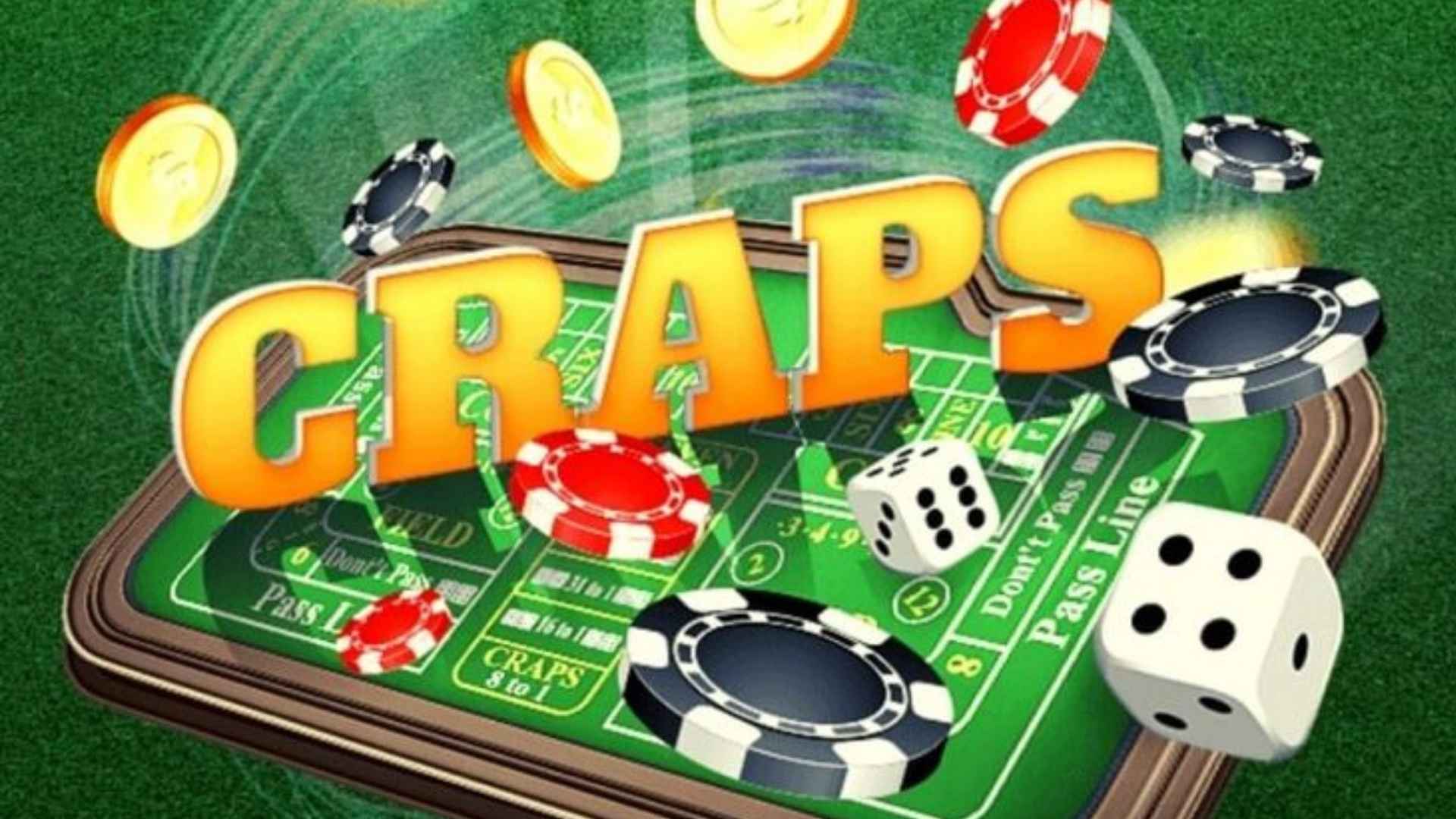
Approaching a lively craps table often presents modern casino visitors with a chaotic array of betting options, many of which carry an incredibly high house advantage that can rapidly deplete a bankroll. For players seeking a more stable and sustainable experience, focusing heavily on low-variance options can preserve chips and significantly extend overall gameplay sessions. By understanding exactly which selections minimize statistical volatility, you can make highly informed decisions during your next casino entertainment visit.
The Foundations of Pass Line Strategy
The standard Pass Line bet represents one of the most reliable and thoroughly tested building blocks for conservative craps players worldwide. This fundamental wager wins immediately if the shooter happens to roll a natural seven or eleven, whereas it loses on a two, three, or twelve. Any other rolled number establishes a firm point on the layout, requiring the shooter to repeat that exact number before a seven appears.
Because it carries a remarkably low house advantage of just 1.41 percent, this particular choice offers consistent short-term performance for beginners. Engaging regularly with this option also allows participants to enjoy a shared community dynamic since the majority of the table usually bets together. It provides a steady rhythm that successfully avoids the extreme financial swings typical of high-risk exotic propositions.
Embracing the Don't Pass Option
Players looking to hedge against unexpected table volatility often prefer betting directly against the current shooter via the Don't Pass line. This tactical approach essentially reverses the standard table dynamics, winning immediately on a two or three while establishing a flat push on a twelve. The wager succeeds entirely when a seven is rolled before the established point number can be repeated by the shooter.
Statistically, the house edge for this dark-side approach sits at a highly favorable 1.36 percent, making it slightly more advantageous than traditional choices. When looking for reliable insights on these systems, accessing a reputable portal via a login situs m88 can help enthusiasts stay updated on digital rules. Choosing this steady method helps maintain a highly structured strategy throughout much longer gaming sessions.
Maximizing the Value of True Odds
Once a specific point number is active on the layout, players can instantly back their original line wagers with an additional odds bet. This unique mechanism is highly favored by mathematical experts because the casino takes absolutely no house advantage on these specific funds. Payouts are determined strictly by true mathematical probabilities rather than the built-in statistical weightings found elsewhere.
By shifting a significant portion of your total table stake into this category, you drastically reduce the relative impact of the house advantage. However, it remains important to remember that maximizing your odds requires a much larger total bankroll exposure during the round. Balancing your flat baseline bet with proportionate odds helps mitigate unnecessary risk while maximizing long-term equity.
The Consistency of Come and Don't Come Bets
The Come and Don't Come options function almost identically to the baseline wagers but can only be initiated after a point has been set. These choices effectively allow you to establish multiple active numbers across the layout in a highly controlled manner. They perfectly mirror the low house advantage and steady behavior of the initial line selections.
Utilizing these specific bets enables a progressive style of play without ever resorting to the highly volatile center-table propositions. Limiting your active wagers to just two or three positions prevents your bankroll from being overextended during sudden cold streaks. Sticking strictly to these disciplined methods ensures a sustainable approach to managing table variance successfully.

Coin Flip Games and Probability Lessons ...
Coin flip games have served as the foundational introduction to the world of chance for generations of learners. While tossing a coin seems like a simple way to pass the time or make a quick decision, it actually demonstrates profound mathematical principles. By analyzing these basic interactions, individuals can develop a stronger intuition for data behavior and uncertainty.
Understanding Theoretical and Experimental Probability
The concepts of theoretical and experimental outcomes represent the core framework of statistics. Theoretical value dictates that a perfectly fair coin carries an exact fifty percent chance of landing on either side. In practice, however, short sessions of flipping can yield highly unexpected results that deviate from this clean mathematical expectation.
When you track real results over many trials, you are measuring what mathematicians call experimental data. For instance, flipping ten times might result in seven heads and three tails rather than an even split. Over a massive number of attempts, these experimental values gradually stabilize and align closer to the theoretical benchmark.
The Psychology of Streaks and Random Events
Human perception often struggles to properly interpret true randomness, leading to common cognitive misconceptions. Many people assume that if heads appears five times in a row, the next flip is mathematically bound to be tails. In reality, each individual toss is an independent event completely uninfluenced by previous history.
Recognizing this independence helps students avoid the classic mistake known as the gambler fallacy. Modern digital environments often simulate these variables to create reliable gameplay balances for audiences worldwide. Exploring platforms such as login situs m88 allows analytical minds to observe how structural random number generators emulate physical randomness. Developing an objective perspective on strings of events improves general logic and critical analysis skills.
Practical Classroom Activities and Simulations
Educators frequently utilize coin activities because they require minimal equipment while offering immense educational engagement. Students can work in pairs to record variations across multiple sample sizes to see statistical principles in motion. This hands-on tracking shifts abstract textbook formulas into tangible realities that are easy to comprehend.
Advanced lessons can expand into testing variables like structural biases or minor changes in flipping techniques. Tracking these unique datasets helps young statisticians understand how tiny physical imbalances alter outcomes in real-world scenarios. Through simple tools, complex statistical properties become much more approachable and exciting to explore.

Secret Vault Scratch Card Experiences ...
The allure of hidden treasures and secure repositories has always fascinated lottery fans looking for a fresh gaming experience. Scratch cards themed around a secret vault combine the suspense of breaking a code with the instant satisfaction of a sudden reveal. These modern variations have grown incredibly popular among casual players who enjoy high-stakes narratives mixed with simple mechanics.
The Psychological Appeal of the Vault Theme
Vault-themed scratch games capitalize on the universal human desire to uncover mysterious or locked away fortunes. The visual presentation usually involves heavy steel doors, combination dials, and safety deposit boxes that build anticipation before the first symbol is revealed. This narrative framework transforms a traditional matching game into a cinematic security breach simulation.
Unlike simple fruit or number themes, a secret vault layout naturally introduces a layered sense of progression. Players feel as though they are solving a puzzle or cracking a secure safe as they scratch away each defensive layer. This psychological element significantly elevates the emotional investment in every round played.
Key Features of Modern Secret Vault Games
Many of these modern scratch cards include multi-tier matching systems and dedicated bonus wheels to enhance the core gameplay loop. For instance, finding a passcode symbol can trigger an automatic win or unlock an entirely separate prize screen. These mechanics mirror real-world vault procedures, making the entire digital sequence feel cohesive and thoroughly planned.
Additionally, high-definition graphics and metallic textures are commonly used to make the online scratch surface appear highly authentic. Sound effects like turning gears and heavy locking bars snapping open provide satisfying sensory feedback. If you want to check out similar digital layouts and diverse interactive setups, visiting a reliable platform via a login situs m88 can offer an exciting gateway to premium gaming options.
Strategies for Navigating Vault Scratch Cards
While instant games rely strictly on random number generators, tracking probability metrics can help you manage your gaming sessions. Checking the publicly available paytables allows players to understand the overall distribution of minor and major prize structures. This transparency ensures that participants maintain realistic expectations before purchasing a virtual ticket bundle.
Establishing strict operational limits remains the most practical approach to managing fast-paced digital gaming hobbies. Because vault reveals happen within seconds, setting a predefined time frame prevents impulsive decision-making during highly immersive rounds. Treating the session as affordable multimedia entertainment keeps the experience safe, balanced, and genuinely enjoyable.
The Digital Transition of Instant Lotteries
The shift from physical foil tickets to interactive software has allowed developers to push creative boundaries significantly. Virtual scratch cards can feature complex animated sequences, changing background elements, and evolving prize pools that physical paper could never support. This ongoing technical evolution guarantees that safe-cracking concepts remain fresh and visually competitive for years to come.
Furthermore, cross-platform compatibility ensures that enthusiasts can interact with their favorite vault designs seamlessly on mobile devices. The touch-screen mechanics of swiping a smartphone screen perfectly mimic the physical action of clearing away a protective coating. This intuitive integration bridges the gap between classic physical habits and modern software accessibility.
Semua artikel sudah ditampilkan.