How Random Rewards Influence Replay Value
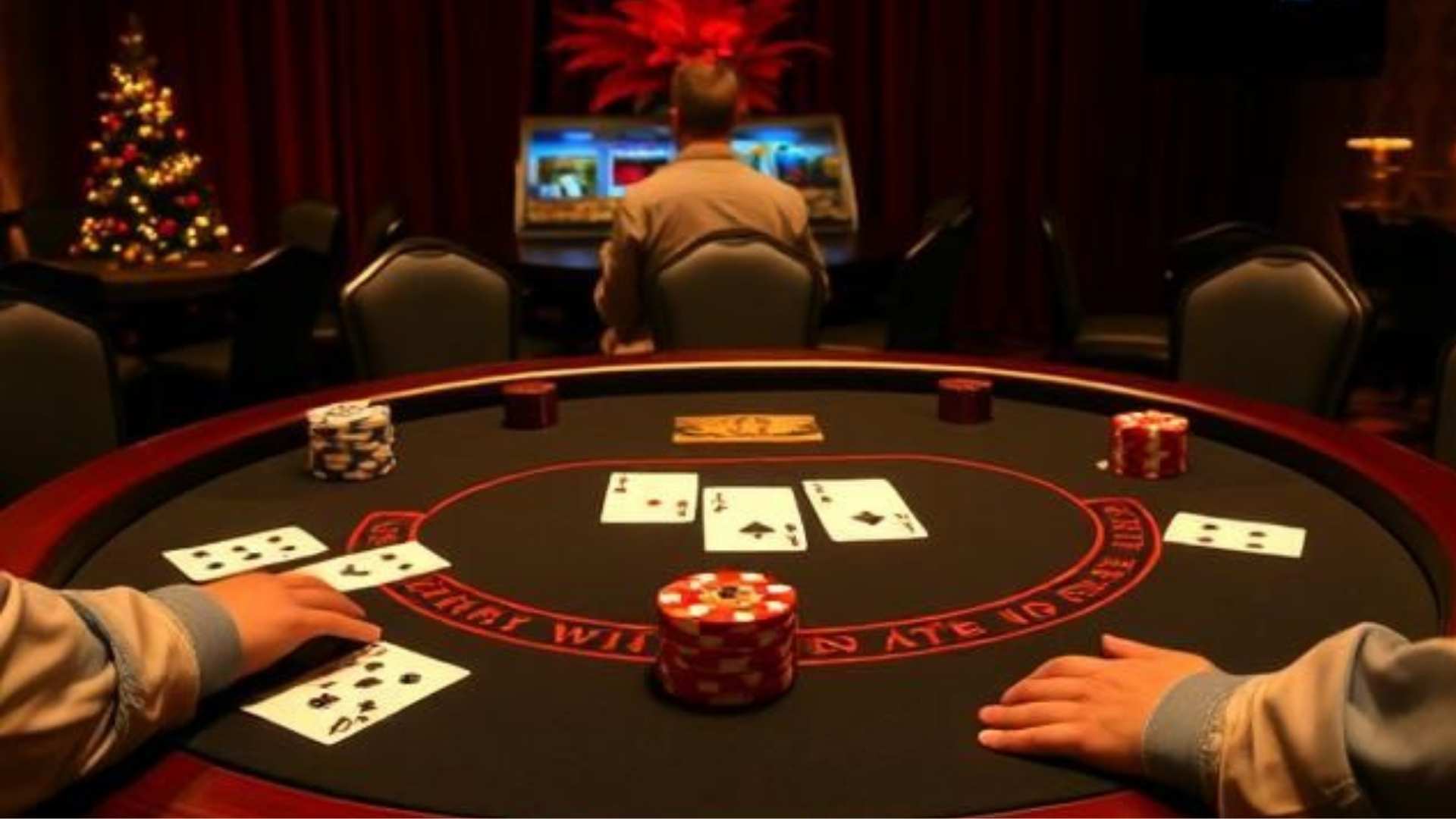
Modern game development relies heavily on longevity to ensure that players remain invested in a virtual world long after the initial launch. One of the most effective strategies to achieve this longevity is the integration of random reward systems, which continuously alter how players interact with challenges. By making outcomes unpredictable, developers can successfully transform standard gameplay loops into highly dynamic experiences that encourage repeated playthroughs.
The Psychology of Unpredictable Incentives
Human psychology is naturally drawn to uncertainty because unexpected positive outcomes stimulate the brain in unique ways. When a player receives a rare item by chance rather than through a predictable chore, the sense of accomplishment is significantly heightened. This psychological thrill shifts the focus from simply completing a game to experiencing the ongoing excitement of potential discovery.
Because players cannot anticipate exactly when the next major breakthrough will occur, they are much more likely to extend their gaming sessions. Predictable progression systems often lead to early player burnout once the final milestone is reached. In contrast, chance-based drops maintain a steady level of curiosity that naturally increases the overall replay value of a title.
Enhancing the Longevity of Virtual Economies
In multiplayer and live-service games, random rewards serve as the foundation for thriving in-game economies and community interactions. When high-tier gear or rare cosmetic items are distributed via chance, they gain a distinct social status within the player base. This driving force encourages individuals to revisit difficult raids or competitive matches multiple times to secure coveted digital assets.
Furthermore, a well-balanced distribution system ensures that newer players always have a reason to participate alongside veterans. Experienced individuals often find entertainment in testing their fortune within different gaming environments, similar to how enthusiasts utilize a login situs m88 platform to explore various risk-reward mechanics. Ultimately, these economic dynamics create a sustainable community cycle that keeps multiplayer servers populated for years.
Balancing Randomness for Fair Progression
While the allure of surprise is powerful, game designers must carefully balance luck with skill to prevent player frustration. If the probability of obtaining a necessary upgrade is excessively low, the gameplay experience can begin to feel unrewarding and tedious. Successful titles implement bad luck protection or alternative progression paths to guarantee that effort is eventually rewarded alongside chance.
When implemented correctly, variable rewards complement player agency rather than overshadowing it entirely. Offering players multiple avenues to pursue random drops keeps the gameplay fresh and gives them control over their time investment. This equilibrium ensures that the motivation to replay a game stems from genuine enjoyment rather than pure obligation.
The Future of Dynamic Gameplay Loops
As gaming technology continues to advance, the methods used to deliver random incentives are becoming increasingly sophisticated. Modern algorithmic designs can adapt reward structures based on individual player habits and historical performance metrics. This personalization ensures that the content remains engaging for both casual participants and highly dedicated veterans alike.
Striking the perfect balance between predictable milestones and exciting surprises will remain a core focus for developers moving forward. When chance is utilized ethically and creatively, it elevates the artistic and entertainment value of interactive media. As a result, players can look forward to more immersive virtual journeys that offer endless replayability.