Recent Post
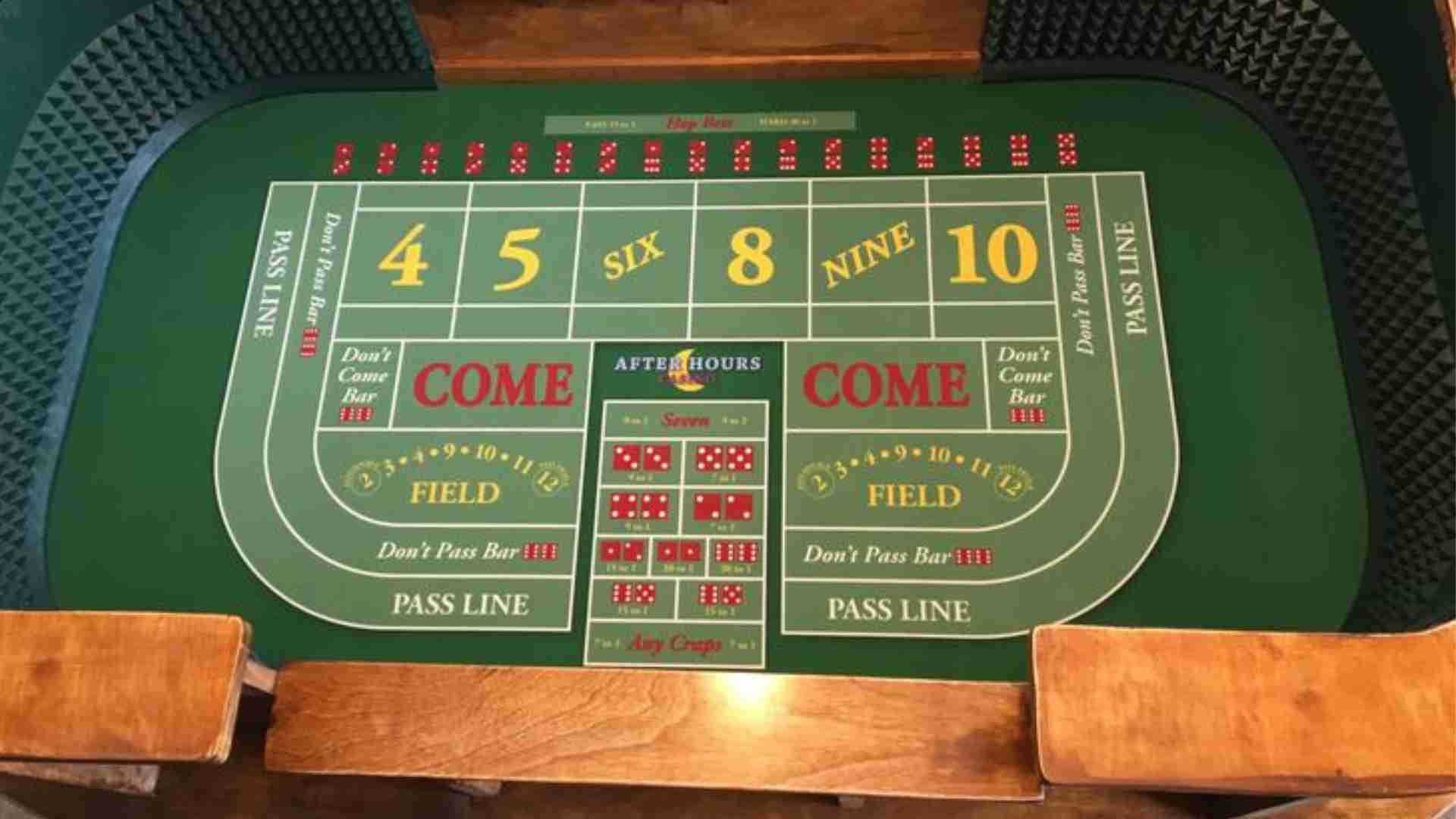
How Automated Systems Deliver Randomized Results ...
Modern interactive platforms rely heavily on mathematical frameworks to distribute unpredictable outcomes across digital ecosystems. Whether allocating random gifts, generating virtual drops, or deciding sweepstakes winners, automated algorithms have replaced mechanical drawing tools to guarantee rapid execution. This article explores how contemporary software architectures manage the balance between algorithmic design and operational integrity to deliver impartial outcomes.
The Mathematical Foundations of Digital Unpredictability
At the core of every automated selection system lies a complex piece of code known as a pseudo-random number generator. These algorithms utilize fixed mathematical equations to output long sequences of numerical values that mimic true chaos. Because computers are inherently deterministic machines, engineers must introduce high-quality seed data, such as changing system timestamps, to initialize the sequence effectively.
By continually shifting these starting values, software architectures ensure that the resulting distributions remain entirely unpredictable to outside observers. This fundamental mechanism protects the integrity of digital promotional events and modern gaming spaces alike. Without this constant algorithmic variation, tech systems would produce recognizable patterns that savvy users could eventually exploit.
Ensuring Mathematical Integrity and Participant Trust
Maintaining high user confidence within virtual reward campaigns requires establishing verifiable equity across all operational levels. Automated systems achieve this by leveraging advanced cryptographic protocols that secure the distribution process against internal and external manipulation. Independent auditing groups frequently review these frameworks to confirm that every entry receives an equal statistical opportunity to claim a victory.
When digital spaces operate with verifiable transparency, casual participants are much more likely to engage with competitive environments on a regular basis. Many interactive global networks rely on audited selection frameworks to keep their communities active and excited. For example, individuals looking for trusted interactive platforms often consult resources like the link m88 terbaru hari ini to access secure virtual environments. Implementing verified distribution protocols remains the definitive method for cultivating long-term loyalty in a competitive market.
The Core Benefits of Enterprise Level Automation
Transitioning from traditional mechanical raffle drums to sophisticated digital platforms has drastically reduced administrative overhead for modern event organizers. Automated selection engines process thousands of entries per second, allowing global promotional campaigns to operate smoothly without manual delays. This incredible computing efficiency enables real-time distributions that keep live audiences instantly engaged.
Furthermore, digital systems eliminate the risk of human error or individual bias during the reward allocation process. Once developers program the specific entry rules and probability thresholds into the software, the application executes the logic exactly as intended. This level of operational consistency ensures that every sweepstakes participant receives fair treatment under the exact same structural guidelines.
Balancing Probability with Sustained User Engagement
Designing an effective randomized event requires an intricate understanding of behavioral psychology and reward distribution models. Software developers carefully adjust the frequency of unpredictable drops to maximize curiosity without causing user fatigue over extended periods. If valuable prizes are too rare, participants may lose interest, while excessive frequency can quickly diminish the perceived value of the reward.
By balancing these algorithmic probabilities, digital creators successfully transform routine software interactions into deeply engaging entertainment milestones. Modern automated platforms continuously refine these distribution metrics to suit changing audience expectations. Ultimately, the perfect combination of mathematical precision and interactive design forms the backbone of successful digital reward systems globally.

What Makes Historic Card Tables Worth Exploring Today ...
The allure of antique furniture often lies in the stories these pieces carry across generations, reflecting the shifting social customs of bygone eras. Among the most fascinating artifacts are historic card tables, which served as central hubs for entertainment and community gatherings during the eighteenth and nineteenth centuries. Exploring these finely crafted items provides modern enthusiasts with a tangible connection to the past while revealing how human interaction has evolved over time.
The Specialized Craftsmanship of Early Gaming Centers
In the 1700s, furniture design shifted toward highly specialized pieces created to fulfill specific roles within wealthy households. Master woodworkers utilized premium materials like mahogany and walnut to build folding structures that could adapt to changing room arrangements. These tables frequently featured intricate inlaid patterns, delicate felt playing surfaces, and small hollows designed to secure gaming chips during a lively match.
The meticulous engineering required to create seamless hinges and sturdy swing-legs highlights the superior standards of historic craftsmanship. Collectors and decorators today appreciate these objects not just for their utility, but as exceptional works of decorative art that elevate a room atmosphere. Preserving these unique structural designs allows modern society to study the advanced woodwork techniques developed before industrial manufacturing took over.
Reflecting the Social Etiquette of Historical Salons
During the peak of their popularity, card tables were essential elements in the social lives of prosperous families across Europe and early America. Hosting a gathering centered around strategic games was a primary method for community leaders to demonstrate hospitality, intellectual skill, and refined manners. The physical arrangement of the players around a compact semi-circular or square layout encouraged close conversation and strict adherence to traditional behavioral codes.
Understanding these historical spaces offers valuable perspective on how early societies balanced high financial stakes with rigorous social decorum. Modern players interested in how these traditional setups transitioned into current digital formats can examine platforms like m88 malaysia to observe contemporary gaming options. This shift from physical parlor furniture to digital interfaces demonstrates the enduring human desire for shared strategic entertainment across different centuries.
Versatility and Presence in Contemporary Home Decor
One of the primary reasons these antique items remain highly sought after today is their incredible adaptability within modern living spaces. Because they were originally designed to fold away when not in use, these tables fit effortlessly into small hallways, cozy library corners, or behind living room seating. Their rich wood patinas and unique silhouettes provide a stark, attractive contrast when paired with minimalist or contemporary interior design trends.
Using a historic artifact as a functional console or accent piece adds immediate depth and character to a home. Rather than acting as static museum displays, these tables continue to fulfill their original purpose of inviting engagement and curiosity. Interior designers often use them as focal points that spark meaningful conversations about history, artistry, and the timeless nature of fine furniture design.

How A Random Wheel Can Become The Centerpiece Of A Party ...
Hosting a memorable social gathering requires more than just good food and background music; it demands an engaging focal point that draws guests together. A physical or digital spinning wheel serves as an ideal interactive element that effortlessly captures attention. By combining visual suspense with pure chance, this simple tool can elevate the energy of any celebration.
The Visual Magnetism of a Spinning Wheel
People are naturally drawn to movement and bright visual elements in a social setting. When a spinning wheel is placed in a central area, its motion instantly creates a focal point for the room. The anticipation of watching the wheel slow down keeps guests lingering and watching with genuine curiosity.
This visual appeal helps break the ice among attendees who may not know each other well. As guests gather around to watch the outcomes, spontaneous conversations and shared reactions naturally follow. It transforms passive observers into active participants without placing uncomfortable pressure on anyone.
Transforming Traditional Party Games
Incorporating a randomized wheel brings a fresh dynamic to classic party activities and icebreakers. Instead of relying on static lists or predictable routines, hosts can assign trivia categories, fun dares, or mini-challenges to different slices. The element of unpredictability adds a layer of excitement to every single round.
digital platforms and interactive access portals like wd boss login demonstrate how streamlined digital interfaces keep users engaged through instant results. Bringing that same seamless, instant gratification to a party game keeps the momentum fast and lively. Guests stay invested because every turn promises a completely different result.
Creating Shared Moments of Suspense
The gradual deceleration of a rotating pointer builds a unique form of collective tension that heightens emotional engagement. As the pointer clicks past each segment, the room naturally falls quiet in shared anticipation. When it finally lands, the sudden reveal triggers collective cheers, laughter, or lighthearted groans.
These shared emotional peaks become the highlights of the event that people remember long after it ends. By shifting the responsibility of choices onto pure chance, the wheel ensures that every outcome feels completely fair. This impartiality removes any awkwardness, making every victory or penalty feel like a lighthearted group moment.
Adapting to Any Theme or Celebration
One of the greatest advantages of using a selection wheel is its incredible versatility across different event types. Whether organizing a casual family gathering, a birthday celebration, or a structured holiday party, the options on the wheel can be customized instantly. Hosts can tailor the rewards or tasks to match the specific mood and age group of their guests.
In addition to organized games, the wheel can streamline practical party decisions like picking the next song, choosing board games, or awarding door prizes. This simple utility keeps the event flowing smoothly while maintaining an upbeat atmosphere. Ultimately, a random wheel succeeds because it turns ordinary party decisions into entertaining spectacles.
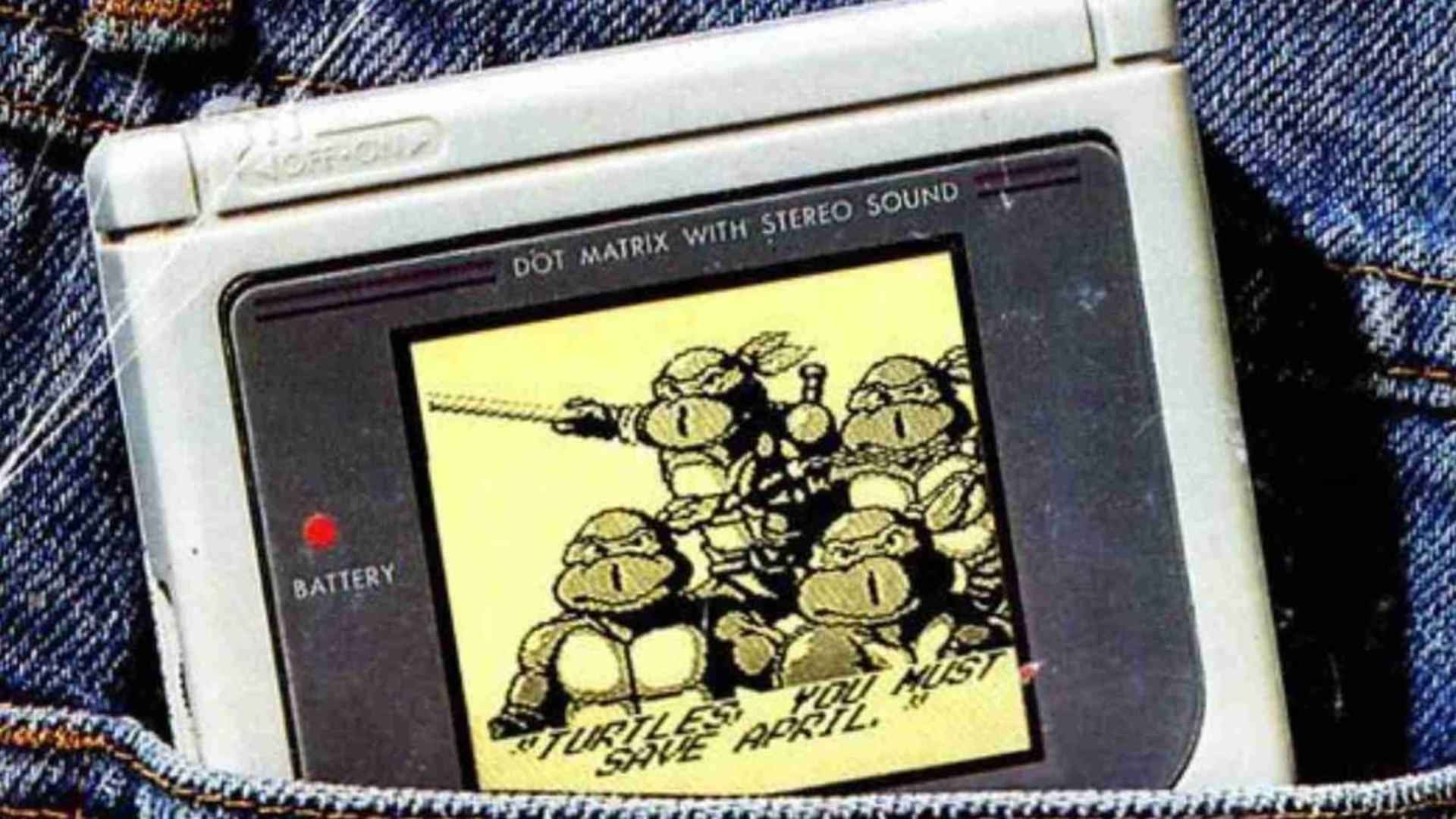
The Crew Motorfest Deluxe Edition Explained ...
The Crew Motorfest takes racing enthusiasts on a vibrant journey through the beautiful open-world island of O'ahu, Hawaii, delivering a festival centered around car culture. When looking to purchase the game, players are faced with multiple retail options ranging from the standard version to premium bundles. Understanding what each specific package offers ensures you can make an informed decision based on your gaming preferences and budget.
What Is Included in the Deluxe Edition
The Deluxe Edition of the game provides players with a balanced entry point that expands on the standard package without the steep investment of the highest tier. Purchasing this specific edition grants immediate access to the full base game alongside the exclusive Fitted Ultimate Pack. This special digital bundle is designed to give street racing fans an immediate aesthetic and performance boost early in their campaign.
Within the curated pack, virtual drivers will unlock two highly coveted vehicles tailored with custom design configurations. These include the sleek 2021 Porsche 718 Spyder Fitted Edition and the agile Honda Civic Type R Fitted Edition. Both cars arrive with unique visual modifications that allow you to stand out during massive multiplayer gatherings right from the start.
Exclusive Customization and Avatar Items
Beyond the high-performance vehicles, the bundle focuses heavily on personalizing your overall presence within the festival grounds. Players receive a dedicated selection of avatar clothing items created specifically to match the theme of the fitted car variants. This allows for a cohesive look that connects your driver's appearance directly with your favorite garage options.
Additionally, the package includes unique vanity items that can be equipped to modify the visual flair of your vehicles during intense events. These customization options add a distinct layer of style to your regular driving loops across the island landscapes. Investing in these digital extras provides an immediate way to skip the standard progression requirements for early-game cosmetics.
Comparing the Value to Other Packages
When deciding whether to opt for this version over the standard edition, evaluating the individual cost of post-launch add-ons is essential. The base game offers an extensive collection of cars to earn naturally, but the fitted variants remain exclusive to specific bundles. For dedicated collectors, this package serves as a shortcut to securing unique garage items that cannot be obtained through standard progression.
However, players should note that this intermediate tier does not contain the Year 1 Pass or upcoming seasonal expansions found in the Ultimate Edition. If your primary goal is expanding your long-term gameplay loop with additional monthly vehicle drops, exploring higher tiers might be beneficial. For those who simply want a stylish head start with iconic cars, this version offers excellent immediate value.
Final Verdict for Racing Enthusiasts
The Crew Motorfest Deluxe Edition strikes a practical balance for gamers who want to experience the vibrant festival with extra style. The included Porsche and Honda models provide highly reliable performance baselines that excel in early competitive playlists. It eliminates the initial grid grind by delivering premium aesthetics immediately upon entering the Hawaiian open world.
Ultimately, your choice depends entirely on how much value you place on exclusive car culture aesthetics and immediate garage variety. If you appreciate specialized vehicle tuning and unique cosmetic sets, this bundle provides a satisfying upgrade to your racing journey. It ensures your introduction to the beautiful landscapes of O'ahu is both fast and visually memorable.
How Personal Routines Can Create Mental Stability ...
Modern life introduces constant demands that test psychological resilience and emotional balance daily. Establishing intentional personal routines provides a reliable framework that stabilizes cognitive function and mitigates unpredictable external pressures. By organizing everyday activities, individuals cultivate a sense of order that supports long-term mental well-being.
Reducing Cognitive Load and Decision Fatigue
Every choice made throughout the day consumes cognitive energy and gradually exhausts mental bandwidth. When basic actions become automated habits, the brain conserves valuable focus for complex problem-solving and emotional regulation. This conservation of mental resources significantly lowers stress levels across demanding situations.
Minimizing daily friction allows individuals to navigate unpredictable challenges with greater clarity and patience. By reducing unnecessary dilemmas, personal routines protect the mind against burnout and chronic exhaustion. Consequently, a structured schedule acts as a protective barrier against cumulative daily pressures.
Fostering Emotional Grounding Through Predictability
Human psychology inherently craves familiarity, as predictable environments signal safety to the nervous system. Consistent morning and evening habits create dependable touchpoints that ground emotional responses, even during chaotic periods. These anchor points help stabilize mood fluctuations by offering recurring moments of calm control.
Engaging in familiar activities helps manage internal anxiety before it escalates into overwhelming distress. Individuals often seek reliable resources or information hubs like link alternatif m88 during downtime to stay connected and informed within structured personal time. Maintaining deliberate boundaries around rest and recreation reinforces emotional stability over time.
Building Consistency and Long Term Resilience
Mental stability grows stronger through small, repeated actions rather than sudden lifestyle changes. Consistent sleep patterns, structured meal times, and regular physical activity reinforce the body natural rhythms. Over time, these daily practices strengthen psychological endurance against unexpected life changes.
Developing resilient habits ensures that setbacks do not completely derail an individual overall sense of purpose. When unexpected difficulties arise, established routines offer a familiar structure to fall back on. This structural foundation allows people to regain composure faster and adapt effectively to dynamic environments.
Optimizing Personal Growth and Mindful Attention
A well-structured routine creates dedicated space for self-reflection, continuous learning, and mindful engagement. Setting aside intentional time for personal interests fosters a strong sense of identity beyond workplace or social expectations. This intentional focus encourages deep personal fulfillment and sustained mental growth.
Mindful engagement with daily tasks improves overall concentration and reduces tendency toward passive distraction. As individuals master their time, they experience greater autonomy and personal confidence. Ultimately, personalized routines transform everyday actions into essential tools for lasting mental harmony.

Fallout 4 Versus Fallout 3 Which Game Is Better ...
Evaluating the legendary post-apocalyptic franchise often leads gamers to an intense debate regarding which modern entry truly reigns supreme. Both of these massive open-world titles redefined sandbox exploration for their respective generations while introducing unique mechanics. Choosing the absolute best experience depends heavily on whether a player values deep role-playing elements or refined action gameplay.
Atmosphere and Environmental Storytelling
The Capital Wasteland offers an unparalleled sense of isolation and dread that perfectly captures the grim reality of a nuclear apocalypse. Its desolate ruins and eerie green tint force players to carefully navigate a genuinely hostile world where survival feels earned. The environmental design relies heavily on dark tunnels and crumbling landmarks to create a deeply memorable horror aesthetic.
In contrast, the Commonwealth introduces a much more vibrant and colorful depiction of a rebuilding society alongside dynamic weather systems. While it loses some of the traditional bleakness, the densely packed city streets provide superior vertical exploration opportunities. Players can seamlessly explore towering skyscrapers and complex rooftops that change how standard tactical engagements play out.
Role Playing Depth and Narrative Impact
When analyzing the core role-playing mechanics, the older title provides significantly more freedom in character progression and dialogue choices. The traditional skill system and distinct karma metrics allow players to shape their protagonist's moral alignment with clear consequences. Branching quest structures frequently reward creative problem-solving and unique speech checks over direct physical confrontation.
The newer entry shifts toward a voiced protagonist and a simplified dialogue wheel, which fundamentally changes the overall immersion experience. While this design choice creates a more cinematic storytelling approach, it can sometimes limit traditional role-playing flexibility. However, the complex faction dynamic and companions with detailed personal histories add a great layer of narrative depth to the commonwealth journey.
Combat Mechanics and Gameplay Loop
Gunplay received a massive upgrade in the fourth main installment, transforming the series into a highly responsive looter-shooter experience. The introduction of robust mechanical aiming, fluid sprint options, and reliable cover systems makes real-time combat incredibly engaging for modern audiences. This mechanical overhaul ensures that every weapon feels distinct and satisfying to utilize during sudden skirmishes.
The previous game relied much more heavily on the tactical Vault-Tec Assisted Targeting System to compensate for its relatively clunky real-time shooting mechanics. While this classic system remains iconic, it frequently disrupts the pacing of intense combat sequences for players seeking active engagement. Navigating the wasteland is a completely different experience when comparing these two distinct philosophical approaches to gameplay loops.
The Evolution of Crafting and Settlements
The addition of a massive settlement building matrix completely changed how survivors interact with the surrounding virtual environment. Players can gather scrap materials throughout the world to construct thriving communities and customize advanced power armor pieces down to individual components. This comprehensive loop gives tangible value to otherwise useless items found during daily exploration adventures.
The earlier project focused its gameplay loop primarily on exploration and direct quest completion without the extensive base management systems. Weapons could only be repaired using identical items or custom blueprints scattered across rare hidden caches. This streamlined focus ensures that players spend the vast majority of their time actively discovering unique locations rather than managing resources.

How To Recognize Finessing Opportunities In Bridge ...
Mastering the technique of finessing is a pivotal milestone for any card player aiming to elevate their trick-taking capabilities in bridge. A finesse allows a player to promote lower honor cards into winning tricks based on the favorable placement of missing opposing honors. Recognizing when and how to execute this maneuver requires acute table awareness and a solid understanding of card distribution.
Evaluating Missing Honors and Card Tenaces
The foundation of recognizing a finessing opportunity lies in identifying tenaces across your hand and the dummy. A tenace consists of two cards in the same suit where one higher honor is missing, such as holding the Ace and Queen without the King. By leading toward the tenace rather than away from it, you force an opponent to play before you commit your high card.
Carefully mapping out which honors are unaccounted for allows declarers to plan their line of play before touching a single card. Observing missing high cards during the initial layout review helps in prioritizing which suits offer the highest probability of success. Establishing these potential trick opportunities early prevents rushed decisions during critical endgame phases.
Utilizing Bidding Clues to Locate Hidden Cards
Information gathered during the auction provides invaluable hints about the likely locations of missing key honors. If an opponent opened or overcalled during bidding, they are far more likely to hold the specific high cards you need to finesse against. Factoring these inferences into your strategy significantly increases your odds compared to playing on pure chance.
Card players who analyze table dynamics often apply similar calculated decision-making skills when testing strategic systems across digital gaming platforms using the m88 app. Synthesizing available bidding information with active card play leads to far more consistent tactical outcomes. Trusting logical deduction over guesswork is what separates beginner declarers from experienced strategists.
Managing Table Entries for Multiple Finesses
Executing a successful finesse frequently requires leading from the hand opposite your main honor holding, which demands strict entry control. Declarers must preserve suitable low cards or winning honors in the entry hand to cross back and forth as needed. Losing communication between the declarer hand and dummy can derail an otherwise perfectly planned finesse attempt.
Before initiating a finesse, always count your remaining entries to ensure you can repeat the play if the missing honor does not drop on the first round. Plan your transport routes early so that defensive interruptions will not trap your winning holdings in the wrong hand. Disciplined entry management ensures full exploitation of every tactical opportunity presented.
Calculating Risks and Alternative Lines of Play
While finessing offers a standard fifty percent probability of success in balanced situations, it is not always the best line available. Declarers should always weigh the risk of losing a finesse against safer options, such as drop plays or establishing long side suits. If losing a finesse gives opponents the lead at a dangerous time, alternative play paths should be prioritized.
Developing the ability to spot when a finesse is necessary versus when it is a trap requires practice and steady observation. Evaluating suit length and calculating split probabilities will help guide your final decision on whether to finesse. Refining this strategic assessment will lead to higher success rates and greater control over every match.

How Triangles Improve Football Possession ...
In modern football, maintaining control of the ball requires more than just individual technical ability and physical strength. Top tacticians focus heavily on spatial geometry, using specific structural patterns to manipulate defensive lines and open up passing channels. Among these patterns, the geometric triangle stands out as the most fundamental and effective setup for keeping the ball moving efficiently.
The Core Geometry of Passing Lanes
A triangular setup on the pitch automatically grants the ball carrier at least two immediate passing outlets. This constant support reduces individual pressure and prevents the opponent from easily predicting the team's next tactical movement. When players maintain these specific distances, they force the defending team to shift continuously, creating natural gaps in their structure.
By understanding where to position themselves, midfielders and defenders can easily dictate the overall tempo of the game. Fans looking for tactical masterclasses often search for where to watch football matches that showcase these fluid positional rotations. Maintaining this structural shape ensures that the ball remains safe even when the opposition increases their pressing intensity.
Disorganizing the Defensive Press
Opponents who rely on aggressive pressing systems often struggle when facing a team that implements disciplined triangular shapes. Because the ball can move rapidly between three interconnected nodes, defenders are forced to cover greater distances to close down spaces. This rapid distribution tires out the opposition both physically and mentally over the course of ninety minutes.
As the pressing players step out of their assigned zones to intercept the ball, they inevitably leave vulnerable spaces behind them. A well-placed pass can quickly bypass an entire defensive line, transitioning the team from a patient build-up phase into a dangerous attacking situation. This tactical adaptability is exactly why elite managers prioritize spatial awareness over raw athletic power during training sessions.
Creating Numerical Superiority in Tight Zones
Triangles allow attacking teams to create sudden overloads in specific areas of the pitch, particularly along the wings and inside the half-spaces. By positioning three players against two defenders, the attacking side ensures they always possess a free man to receive the ball safely. This numerical advantage makes it incredibly difficult for the defending team to regain possession cleanly.
Furthermore, these close-range connections allow for rapid one-touch combinations that can unlock even the lowest and most compact defensive blocks. The continuous movement ensures that if one passing lane is suddenly blocked, an alternate angle is immediately generated. Ultimately, mastering these geometric relationships transforms a standard squad into a highly dominant, possession-oriented unit.

Legend of Grimrock 2 Complete Walkthrough ...
Legend of Grimrock 2 expands on traditional dungeon crawling mechanics by taking players outdoors onto the mysterious Isle of Nex. Navigating this dangerous wilderness requires a deep understanding of party composition, environment puzzles, and tactical real-time grid combat. This comprehensive guide outlines the essential steps needed to master the island's vast interconnected zones and overcome its most challenging trial dungeons.
Building an Effective Party Composition
Creating a balanced party before stepping onto Shipwreck Beach is critical for long-term survival. A strong frontline consisting of a Knight and a Barbarian allows you to absorb heavy physical damage while controlling enemy movement. Position your glass-cannon damage dealers, such as an Alchemist and a Wizard, in the back row to supply fire support and essential utility spells.
Resource management plays a major role in party sustainability throughout your journey across the island. Your Alchemist can automatically multiply herbs kept in their inventory, providing a reliable supply of healing potions. Equipping your spellcasters with diverse elemental skills ensures you can exploit specific enemy weaknesses in later dungeons.
Navigating Shipwreck Beach and the Surface
Your journey begins on Shipwreck Beach, where basic survival mechanics like finding food and primitive weapons are taught. Scour the shoreline thoroughly to gather stones and basic torches before venturing deeper into the surrounding forest. Eliminating early threats like Zurchers provides crucial initial experience points to level up your key skills.
Unlike its predecessor, this sequel features open-air environments that require keen observation of environmental cues. Pay attention to hidden wall buttons, pressure plates, and subtle keyholes buried in overgrown ruins. Solving these early surface puzzles unlocks essential equipment that makes underground dungeon diving considerably easier.
Mastering the Power Gem Dungeons
To access the Isle of Nex's central Castle, players must explore regional elemental shrines and gather ancient Power Gems. Dungeons like the Cache Vanquish and the Ruins of Desarune contain complex floor-drop puzzles and aggressive enemy groups. Utilizing side-stepping tactics in grid combat allows your party to strike foes without suffering direct counterattacks.
Environmental hazards like dart traps, pit traps, and poison clouds demand careful timing and strategic movement. Keeping light sources active helps reveal subtle secrets hidden within dark corridors. Completing each shrine rewards your team with a Power Gem needed to awaken the mysterious Island Master.
Conquering the Castle of Nex and Beyond
Bringing four Power Gems to the Elemental Forge unlocks access to the formidable Castle of Nex. This endgame area tests everything you have learned about timing, puzzle mechanics, and high-level party combat. Expect intense boss encounters that require quick weapon switching and precise spellcasting under pressure.
Thoroughly exploring side areas like the Pyre Tower reveals secret treasures and legendary artifacts. Completing these optional challenges grants high-tier weapons that significantly increase your overall combat strength. With patience and smart positioning, your party can defeat the ultimate threats and escape the island.

Why Solitaire Can Be Enjoyed Without a Competitive Environment ...
In a gaming world dominated by high-stakes multiplayer battles and fast-paced leaderboards, Solitaire offers a refreshing alternative focused purely on individual engagement. The absence of opponents allows players to experience a relaxing form of entertainment that promotes mindfulness and personal pacing. By removing external pressure, this classic card game transforms into a peaceful activity that anyone can enjoy at their own speed.
The Freedom of Setting Your Own Pace
Playing cards without an opponent eliminates the stress of rapid decision-making and strict time limits. Gamers can pause to think, analyze the board, or simply step away without penalty. This unhurried atmosphere creates a unique sense of control over the entertainment experience.
Without competitors monitoring your moves, every session becomes a personal journey tailored to your mood. You can experiment with different strategies or take calculated risks purely for fun. The freedom to play casually makes Solitaire an ideal choice for daily relaxation.
Freedom From the Stress of Social Comparison
Multiplayer environments often force players to focus on win-loss ratios and peer rankings. Solitaire removes this pressure entirely, allowing individuals to enjoy the mechanics without worrying about external performance metrics. Victory is defined by personal progress rather than beating someone else.
This solo dynamic encourages a positive mindset where mistakes are treated as learning opportunities instead of embarrassing failures. Players seeking an entertaining mental escape often explore platforms like เว็บพนันออนไลน์ m88 to discover varied digital gaming options that suit their preferred playstyles. Experiencing games on your own terms builds genuine confidence and sustained enjoyment.
Promoting Mindfulness and Cognitive Clarity
Engaging with a solo card layout encourages deep focus and quiet contemplation. The repetitive motions of sorting suits and uncovering hidden cards help quiet a busy mind after a long day. This meditative flow state provides effective mental decompression without requiring intense physical effort.
Focusing on a non-competitive goal allows the brain to exercise logic in a low-stakes setting. Problem-solving becomes a satisfying puzzle rather than a stressful challenge. As a result, regular play can improve overall concentration and cognitive agility in daily life.
Universal Accessibility for Every Skill Level
Non-competitive card games are naturally welcoming to beginners who might feel intimidated by complex multiplayer rules. Anyone can learn the fundamental layout within minutes and immediately start enjoying the experience. The straightforward mechanics eliminate steep learning curves and high barrier entries.
Whether you prefer physical decks or modern digital applications, Solitaire remains flexible and convenient. Its timeless design adapts perfectly to short breaks or extended evening relaxation. This enduring simplicity ensures that non-competitive gaming remains relevant across all generations.
Semua artikel sudah ditampilkan.